
What's New in PhotoWeather: April 2026
April's update focused on making PhotoWeather more reliable for photographers in the real world: smarter rules, better fog and sky detection, clearer notifications, and faster everyday performance.
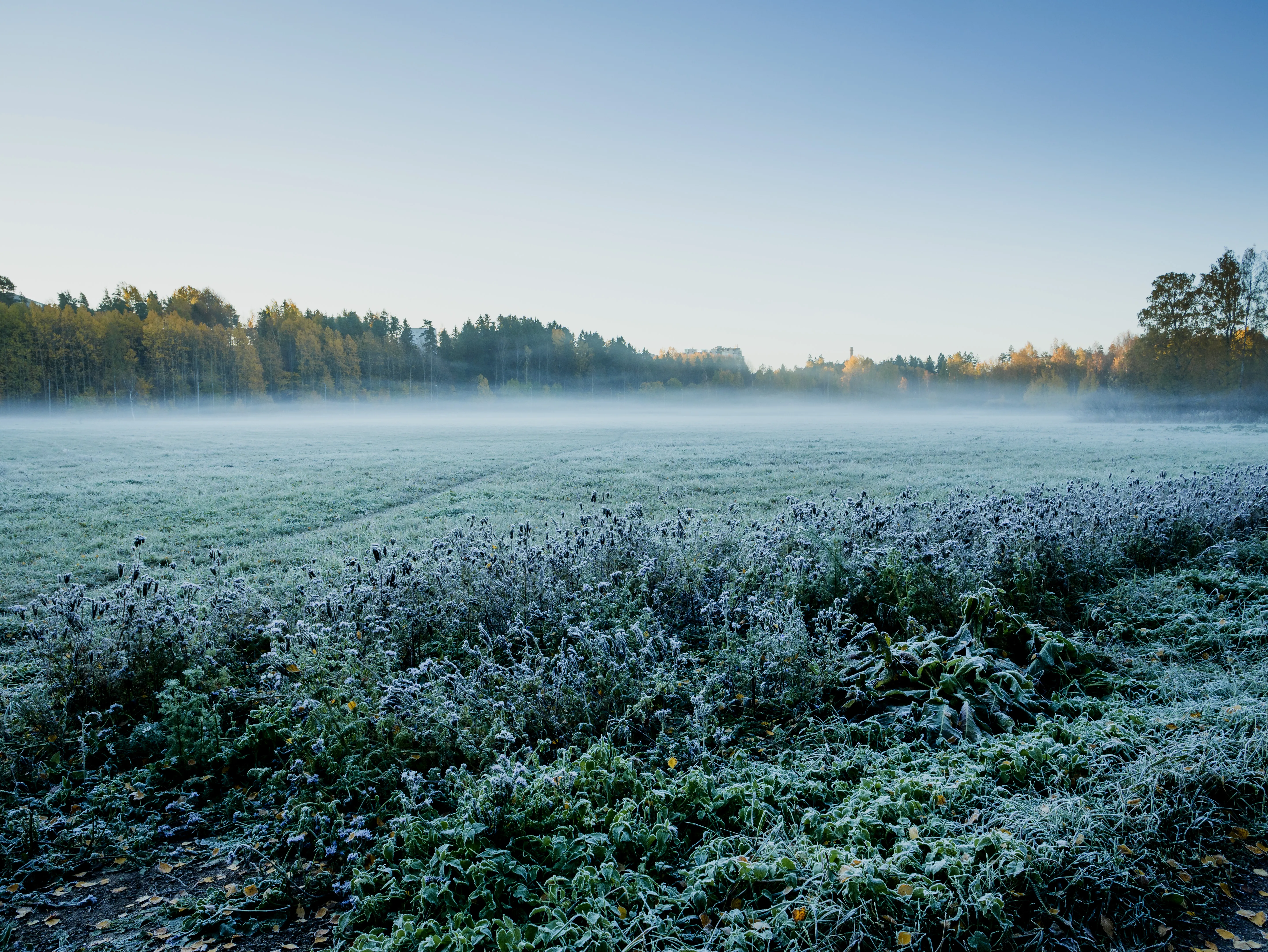
What’s New in PhotoWeather: April 2026
March was focused less on new surface-level features, and more on something just as important: making PhotoWeather’s alerts more reliable in the real world.
A weather alert for photographers is only useful if it matches what you’re actually likely to see when you get on location. Here’s what changed.
1. Rule and Accuracy Improvements
A big share of this month’s work went into tightening rule behaviour across fog, sky conditions, and light quality.
Fog detection now puts more weight on the moisture patterns that actually indicate photographic fog, instead of reacting too heavily to visibility alone. Fewer false positives that aren’t really fog, better detection of the setups that are. Fog Hunter was simplified to use this stronger signal more directly.
Soft Light alerts are now driven by actual solar radiation data — the real ratio of diffuse to direct sunlight in the forecast — rather than inferring light quality from cloud cover ranges. Two days with identical cloud cover can look quite different to a camera. The sweet spot is when roughly 60–80% of light is diffused: soft enough to reduce harsh shadows, but enough energy to give the scene some depth. In practice this means fewer flat-overcast alerts and better detection of conditions that actually work for soft light photography.
Fiery red sky alerts are now better at avoiding a specific false positive: situations where the forecast shows the right ingredients for a colourful sky, but heavy low cloud cover would block the light from actually reaching the horizon. The alert now takes that into account before firing.
2. Validation Infrastructure
This isn’t a feature you’ll see directly, but it’s where a lot of the accuracy improvements are going to come from going forward — so it’s worth explaining.
I’ve been building out two systems for checking whether PhotoWeather’s predictions are actually correct.
The first is METAR validation: pulling historical observations from weather stations at airports around the world and matching them against what PhotoWeather forecast for the same location and time. This gives real numbers — how often was a fog alert correct, how often was it a false alarm, where are the consistent misses — running across thousands of forecast hours.
The second is AI image classification across webcam captures. I’ve been doing manual webcam review for a while to catch cases where the forecast and the actual sky don’t line up, and that’s still part of the process. But manually reviewing enough locations and rules to keep up with changes is a real bottleneck. AI classification lets me work through a much larger volume of captures in the same amount of time, which means I can validate more locations, test more rule changes, and catch more edge cases before they ship.
Together these give me a more systematic feedback loop. The fog improvements already in this month’s release came partly from this kind of analysis, and it’ll keep feeding into accuracy improvements going forward.
3. Clearer Notifications When Conditions Change
This month’s notification improvements focused on clarity:
- Exact local start times in push reminders so it’s easier to plan quickly
- A new Start Delayed change alert when an imminent opportunity gets pushed back
- A cooldown on repeated change alerts so you don’t get too many updates in a short span
4. Faster Everyday Performance
I spent part of the month improving performance across areas that photographers hit constantly: dashboard summaries, location and rule views, opportunities, calendars, and notifications. If you have a growing setup with multiple locations and rules, this should help PhotoWeather feel faster and more responsive. I also fixed some smaller polish issues, including cases where rule and location counts didn’t refresh properly after changes.
5. Bug Fixes
Blue hour had a filtering issue where some valid windows were being quietly dropped — typically shorter or edge-case windows that were still genuinely usable. Those should now come through reliably.
Astronomical night behaviour was fixed for locations west of UTC, so night-photo rules work more consistently across the Americas.
Aurora alerts no longer fire during sunset and sunrise windows when the sky isn’t dark enough for aurora to be visible.
Questions or feedback? Reach out at support@photoweather.app.
Clear skies, Pontus