
Astrophotography Beyond Aurora: Milky Way, Meteor Showers, and Dark Skies
Plan better night sky photography with practical guidance on Milky Way season, moonlight, cloud cover, haze, humidity, dew, and night-sky rule ideas that actually help you decide when to go.
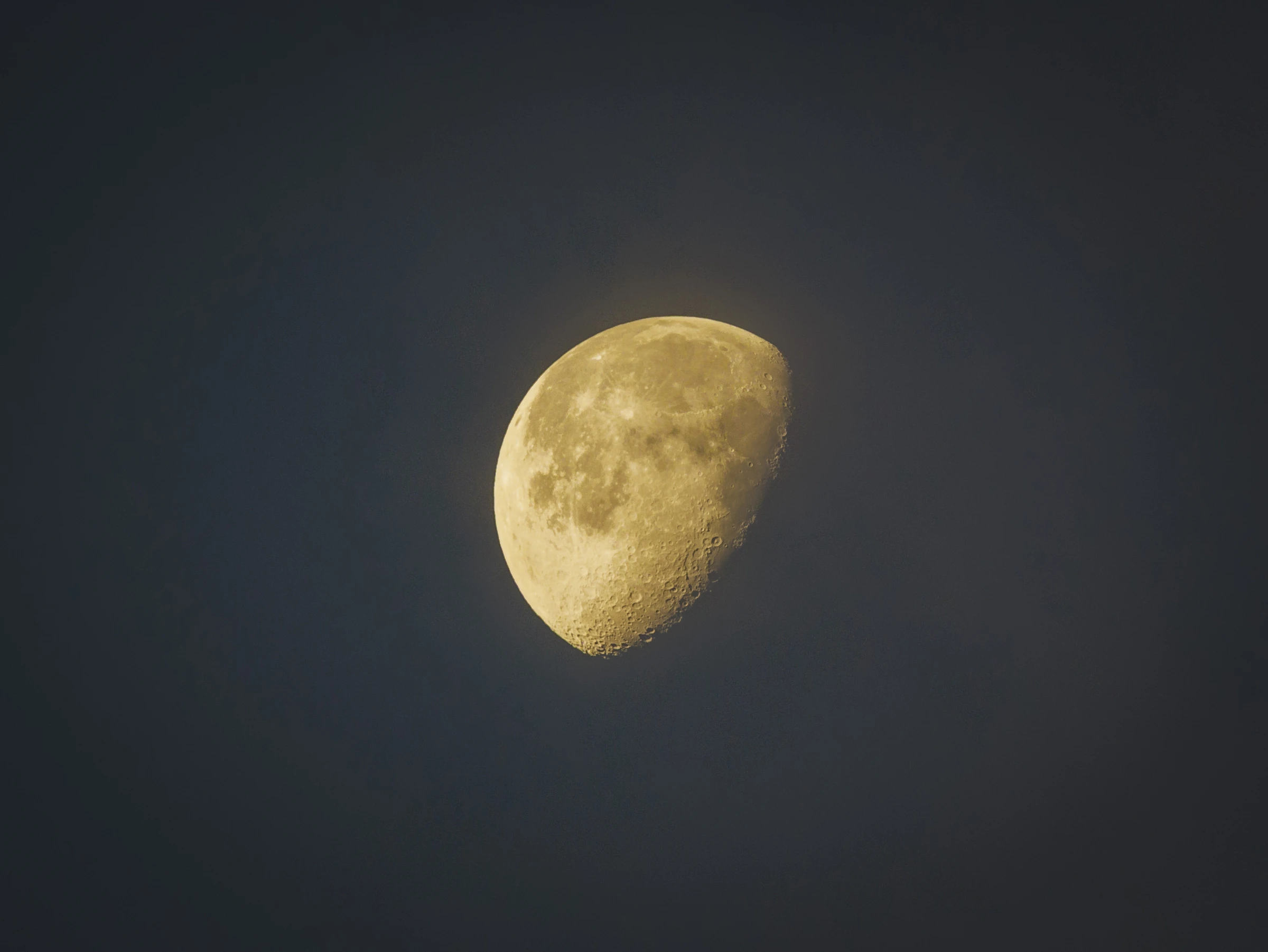
Astrophotography Beyond Aurora: Milky Way, Meteor Showers, and Dark Skies
Aurora gets the attention—and for good reason—but most night-sky photography opportunities have nothing to do with solar storms.
A great Milky Way night, a productive meteor shower session, or a clean dark-sky landscape usually comes down to a much more ordinary checklist: real darkness, low moonlight, very little cloud, clean air, and moisture that won’t fog your lens.
Miss one of those and the night can fall apart fast. The sky might be technically clear but washed out by moonlight. Or the moon is gone, but a thin haze kills contrast. Or the forecast looks promising until your front element fogs over at 1 AM.
This guide is about the nights between the aurora chases: how to plan Milky Way shoots, how to think about meteor showers, what weather actually matters, and how to build alerts that catch useful nights instead of filling your phone with false hope.
You’ll need a free PhotoWeather account to follow along with the examples.
Night Photography Starts with Real Darkness
The first mistake many photographers make is assuming that “after sunset” means “dark enough.” It often doesn’t.
For Milky Way photography, meteor showers, and faint stars, the period that matters most is astronomical night—the stretch when the sun is far enough below the horizon that the sky reaches its darkest state.
That matters because:
- Milky Way contrast improves dramatically once twilight is fully gone
- Meteor showers are easier to spot against a truly dark sky
- Faint stars and dust lanes disappear quickly if the sky is still carrying twilight glow
This is especially important at higher latitudes. In summer, you may have clear skies and a new moon but still never reach proper darkness. If you live far north, Milky Way season and true darkness don’t always overlap as cleanly as they do farther south.
A Simple Rule of Thumb
If you’re photographing:
| Subject | Darkness Requirement |
|---|---|
| Moonlit nightscapes | Some twilight can still work |
| Meteor showers | Astronomical night strongly preferred |
| Milky Way core | Astronomical night is the standard |
| Deep star fields | As dark as possible |
Also remember that darkness is only one part of the puzzle. You still need the right part of the sky to be visible.
Milky Way Planning: Season Matters as Much as Weather
If you shoot in the Northern Hemisphere, the bright central part of the Milky Way is generally a spring through autumn subject, not a year-round one.
A practical planning pattern looks like this:
| Season | What to Expect |
|---|---|
| March-April | The Milky Way starts becoming shootable, often in the pre-dawn hours |
| May-July | Prime season; the bright core is highest and the shooting window is longest |
| August-September | Still excellent, with friendlier evening timing |
| October | The core sits lower and the window gets shorter |
| November-February | In most northern locations, the best Milky Way core shots are effectively off-season |
The One Number That Helps Most
PhotoWeather tracks Milky Way altitude, which is simply how high the brightest part of the Milky Way sits above the horizon.
That one number is surprisingly useful:
- 15°: the band is visible, but still low
- 20°+: a good starting point for Milky Way core shots
- 30°+: noticeably better for cleaner, stronger images
- 40°+: excellent if your latitude allows it
Why it matters: when the Milky Way sits low, you’re shooting through more atmosphere, more haze, and often more light pollution near the horizon. The higher it climbs, the cleaner and stronger it usually looks.
One More Reality Check
At higher northern latitudes, the Milky Way never climbs very high. That doesn’t mean it’s not worth shooting—it just means wide landscapes and low-horizon compositions often make more sense than expecting a dramatic overhead arch.
Moonlight Can Ruin a Perfectly Clear Night
For night photography, the moon is often a bigger deal than the forecast.
A night can be completely cloud-free and still disappoint because moonlight flattens contrast and washes out faint detail. This is why many photographers obsess over moon phase—but phase alone isn’t enough.
What actually matters is:
- How bright the moon is
- Whether it’s above the horizon during your shooting window
A 35% moon that has already set can be no problem at all. A 35% moon high in the sky can still spoil a Milky Way session.
Practical Moonlight Guidelines
| Moon Condition | Best Use |
|---|---|
| 0-10% illumination | Best for Milky Way and meteor showers |
| 10-20% illumination | Usually still very good for astrophotography |
| 20-40% illumination | Can work if the moon is low or sets early |
| 40%+ illumination | Usually better for moonlit landscapes than dark-sky work |
For Milky Way Nights
Aim for one of these:
- Moon illumination below 20%, or better yet below 10%
- Moon below the horizon during your main shooting window
For Meteor Showers
Moonlight matters even more. Unlike the Milky Way, where you can still come home with something on a merely decent night, meteor showers reward patience and dark skies. A bright moon dramatically cuts the number of meteors you’ll actually notice.
If you’re planning for a shower peak, prioritize:
- the darkest moon window first
- then cloud cover
- then clarity and humidity
Cloud Cover: Night Photography Needs Stricter Limits
Clouds that look harmless in daytime forecasts can be deal-breakers at night.
For landscape photography at sunrise or sunset, 30-50% cloud can be fantastic. For astrophotography, that’s often far too much.
A useful working scale:
| Cloud Cover | Night-Sky Usefulness |
|---|---|
| 0-10% | Excellent |
| 10-20% | Usually workable |
| 20-30% | Risky unless you’re flexible |
| 30%+ | Often not worth the trip for Milky Way or meteor showers |
That said, total cloud cover isn’t the whole story.
Why Cloud Position Matters
If the Milky Way is low in the south-west and that’s where the cloud bank sits, your night is effectively over even if the rest of the sky is clear.
This is one reason it helps to:
- know where your subject will appear in the sky
- have more than one shooting spot
- keep thresholds tighter than you would for daytime landscape work
For meteor showers, the whole sky matters more because meteors can appear anywhere. For the Milky Way, the relevant direction matters most.
Haze, Transparency, and “Clear but Not Clear” Nights
Most failed night shoots are not caused by total cloud. They’re caused by skies that are technically open but photograph badly.
You arrive, the stars are visible, but the sky looks soft, muddy, and low-contrast. The Milky Way is there, but weak. Distant ridgelines glow. Highlights bloom. It feels like the sky has no depth.
That’s usually a transparency problem: haze, moisture, dust, smoke, or generally dirty air.
The Practical Number to Watch
The easiest weather clue is visibility.
A rough guide:
| Visibility | What It Often Means for Night Photography |
|---|---|
| Under 5 km | Hazy, murky, poor contrast |
| 8-12 km | Usable, but not especially clean |
| 15 km+ | Good for Milky Way and dark-sky work |
| 20-30 km+ | Excellent clarity |
Visibility is not a perfect substitute for sky transparency, but it is very useful in practice. Higher visibility usually means cleaner separation between stars, sky, and distant landforms.
If you use Pro tools, the app’s clarity-focused night-sky scoring can help filter out nights that are technically clear but still weak because of atmospheric haze. Even without that, pairing low cloud cover with visibility above 15 km is already a big upgrade over checking cloud cover alone.
What Causes Weak Transparency?
Common culprits:
- high humidity
- smoke
- dust
- marine haze
- residual moisture after rain
- warm, stagnant air near cities or coastlines
These are the nights that fool people. The forecast says “clear,” but the photos say otherwise.
Humidity, Dew, and Lens Fogging
This is the silent killer of night sessions.
You can do everything right—dark moon, clear sky, good timing—and still lose the night because moisture condenses on your lens.
What to Watch
Two things matter most:
- Relative humidity
- How close air temperature is to dew point
When humidity climbs high and the air temperature gets within a couple of degrees of the dew point, condensation risk rises fast.
A practical breakdown:
| Condition | Risk Level |
|---|---|
| Humidity under 75% | Usually manageable |
| 75-85% | Watch closely |
| 85%+ | High lens-fog risk, especially near water |
| Temperature within 2-3°C of dew point | Strong condensation warning |
If you’re shooting by lakes, rivers, coastlines, wetlands, or in valleys, this matters even more.
How to Think About It in the Field
If the air feels damp, the grass is wet, and the temperature keeps dropping after midnight, don’t assume your lens will stay clear just because the sky does.
Bring at least one of these:
- a lens heater
- a chemical hand warmer strapped near the front element
- a microfiber cloth for emergency recovery
- a habit of checking the lens every few minutes
Forecast-wise, this is where humidity and dew point stop being abstract numbers and start saving your session.
Meteor Showers: Use the Same Weather Checklist, Just Be More Selective
Meteor showers don’t require Milky Way season, but they do require many of the same sky conditions.
In fact, the weather checklist is simpler:
- true darkness
- very low moonlight
- very low cloud cover
- clean air
- enough comfort to stay out for a long time
The difference is that meteor showers are date-specific. You can’t wait for a better month in the same way you can with the Milky Way.
That means on shower nights, it often makes sense to be stricter with your thresholds. If the forecast says 25% cloud and moderate haze, that may still be enough for a Milky Way scouting trip—but maybe not enough to justify a 2 AM meteor session.
A good mindset is:
- Milky Way nights can be exploratory
- meteor shower nights should be selective
If the shower has a narrow peak, use your dark-sky rule to decide whether the night is worth the effort instead of forcing a session just because the calendar says so.
Sample Rule Ideas You Can Actually Use
Here are four practical starting points.
1. Balanced Milky Way Rule
Use this when you want regular chances without being too strict.
- Astronomical night
- Milky Way altitude ≥ 20°
- Moon illumination ≤ 20% or moon below the horizon
- Cloud cover ≤ 15%
- Visibility ≥ 15 km
This is a very solid default for wide-angle Milky Way work.
2. Strict Milky Way Core Rule
Use this for the nights worth driving for.
- Astronomical night
- Milky Way altitude ≥ 30°
- Moon illumination ≤ 10% or moon below the horizon
- Cloud cover ≤ 10%
- Visibility ≥ 18-20 km
- Humidity preferably below 80-85%
Fewer alerts, but better odds that the sky actually looks strong on camera.
3. Meteor Shower Watch Rule
Use this around major shower peaks.
- Astronomical night
- Moon below horizon or very low moon illumination
- Cloud cover ≤ 10-15%
- Visibility ≥ 12-15 km
- Optional: add a comfort filter like wind or temperature if you know you won’t stay out otherwise
Then only enable it during the actual shower window.
4. Add a Lens-Fog Safety Filter
This works as an extra condition on any night rule if you shoot in damp areas.
- Relative humidity ≤ 85%, or
- temperature stays at least 3°C above dew point
That simple filter can save you a lot of frustrating false starts.
A Sensible Way to Build Your First Night-Sky Alerts
If you’re just starting, don’t build the perfect rule on day one.
Start with one dark-sky rule and one Milky Way rule.
Start Simple
Dark-sky rule:
- Astronomical night
- Cloud cover ≤ 20%
- Visibility ≥ 12 km
- Moon illumination ≤ 35% or moon low
This catches generally promising nights.
Milky Way rule:
- Milky Way altitude ≥ 20°
- Cloud cover ≤ 15%
- Moon illumination ≤ 20%
- Visibility ≥ 15 km
This catches nights that are more specifically worth planning around.
Then Adjust Based on Reality
If you get too many alerts:
- lower the cloud limit
- require better visibility
- tighten moonlight
- raise Milky Way altitude
If you get too few:
- allow 20% cloud instead of 10-15%
- accept 12 km visibility instead of 15-20 km
- keep the moon threshold reasonable if it sets early
The goal is not perfection. The goal is getting alerts that match the effort you’re willing to make.
Don’t Forget the Non-Weather Part: Light Pollution
Weather can only solve the weather part.
If you want the Milky Way to stand out, or you want meteor showers to feel dramatic rather than faint, you still need to think about light pollution.
A simple checklist:
- go darker, even if it means a slightly longer drive
- avoid looking through city glow near the horizon
- shoot away from towns when the Milky Way is low
- use a dark-sky or light-pollution map when scouting new spots
This is especially important when the Milky Way is still low. A modestly dark foreground location with a bright city dome in the exact shooting direction can ruin an otherwise excellent forecast.
Get Started with PhotoWeather
If you already use PhotoWeather for aurora, you’re most of the way there.
The same habit—letting the app watch darkness, moonlight, cloud cover, and clarity for you—works just as well for the rest of night photography. In many places, you’ll get far more usable Milky Way and dark-sky nights than aurora nights.
Start with a simple dark-sky rule, then add a Milky Way-specific one once you know how selective you want to be.
Quick Start Checklist
- Create a free account
- Add the dark locations you actually use—not just your home
- Watch Astronomical Night, Moon Illumination, Cloud Cover, and Visibility together
- Add one broad dark-sky alert and one stricter Milky Way alert
- If you often shoot near water, add a humidity or dew-point safety filter
- For meteor showers, enable your dark-sky rule only around the peak dates
Night photography rewards patience more than almost any other genre. The good news is that patience gets easier when you’re not guessing.
Clear skies.